St Bonaventure’s: Young People Organising for Safer Communities
Youth violence remains a significant concern, with social pressures and the influence of gang culture leaving some young people vulnerable to exploitation and criminal activity. Knife crime continues to have a devastating impact, while issues such as poor lighting, isolated streets and limited adult supervision can contribute to young people feeling at greater risk. These challenges reinforce a sense of vulnerability and increase the likelihood of young people being groomed or drawn into harmful situations.
Alongside these concerns, many young people hold a negative perception of the Metropolitan police. The fear of being unfairly stopped or profiled has reduced trust in the institutions designed to keep communities safe. As confidence declines, young people become less likely to seek help or report crime, creating a greater barrier between the Metropolitan Police and the communities they serve.
Safer Schools Officers historically played a vital role in bridging this gap. More than simply policing schools, these officers built positive relationships with students, provided early intervention, supported safeguarding and became trusted adults within the school community. Their presence created opportunities for young people to engage positively with police officers and helped build trust before problems escalated. The decision by the Metropolitan Police to scrap the role of Safer Schools Officers in May 2025 has weakened an important opportunity to strengthen these relationships. Increasingly, many young people feel reluctant to approach the police when they experience problems and instead believe they must deal with issues themselves.
Evidence reflects these concerns. Data from the Mayor’s Office for Policing and Crime (MOPAC) shows a sustained decline in trust and confidence in the Metropolitan Police since 2017/18, with significant differences between communities. A Neighbourhood Watch Network consultation found that only 36% of Black children and young people trusted the police, compared with 73% of the wider population, highlighting the need for policing approaches built on meaningful relationships. Despite this, more than 75% of young people surveyed supported a police presence in schools. The Metropolitan Police previously recognised the value of this approach, increasing Schools Support Officers from 189 in 2012 to 370 by 2022. Removing this role has undermined the trusted relationships that help young people report concerns, access support and engage positively with the Metropolitan police.
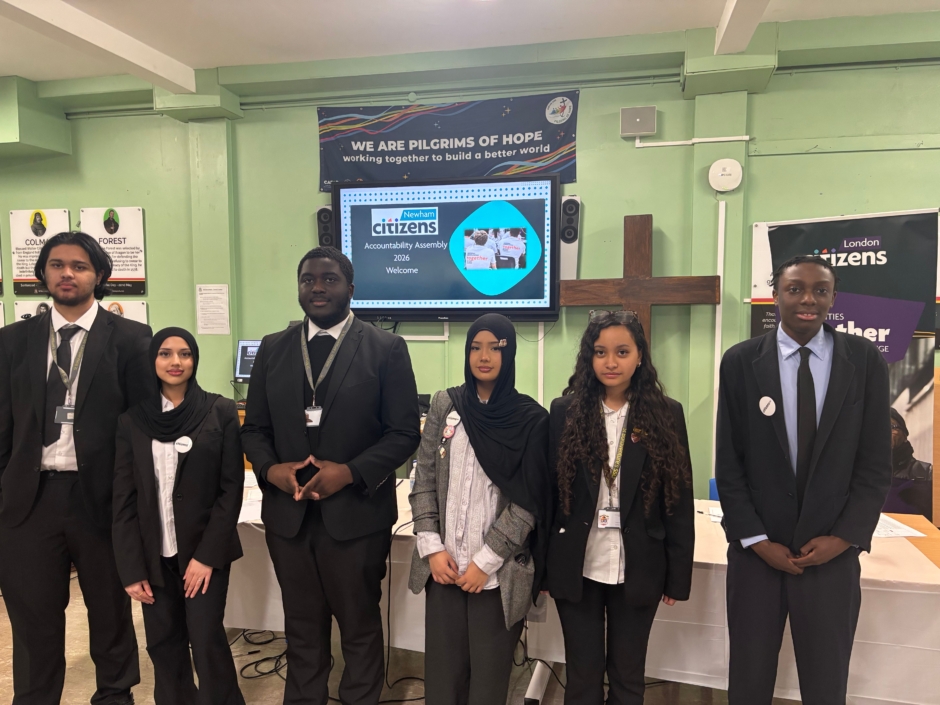
As members of the The East London Citizens Organisation (TELCO) Enrichment Group at St Bonaventure’s Sixth Form College, the group has campaigned this year to improve youth safety through three clear ‘asks’. The campaign is based on the belief that young people should not simply be consulted about the issues affecting them, but empowered to organise and shape decisions within their communities.
The first ask is the reinstatement of Safer Schools Officers across East London, ensuring every school has access to a dedicated officer focused on safeguarding, early intervention and positive relationships with students. Secondly, the group is seeking more structured opportunities for young people and police officers to engage positively outside moments of crisis, recognising that trust is built through meaningful interaction. Finally, the group is asking the Metropolitan Police to meet with TELCO young people and senior police representatives at least three times a year to review progress, discuss concerns and ensure young people’s voices continue to influence policing in their communities.
Recently, members of the TELCO Enrichment Group presented this campaign at the Citizens UK Mayoral Accountability Assembly, where Newham’s mayoral candidates were invited to respond directly to the proposals. It was an opportunity for young people to speak publicly about an issue that deeply affects them and hold local leaders accountable for improving youth safety.
The three candidates: Forhad Hussein (Labour), Areeq Chowdhury (Green), and Mehmood Mirza (Newham Independent), were each asked whether they would support the campaign. Their responses were encouraging. Drawing on his experience as Cabinet Member for Crime and Anti-Social Behaviour, Labour candidate Forhad Hussein committed to supporting the campaign’s key asks. Newham Independent candidate Mehmood Mirza also pledged his full support, emphasising the importance of improving youth safety across the borough. Green candidate Areeq Chowdhury recognised the significance of the issue and reaffirmed his commitment to tackling knife crime, while explaining that he wanted to undertake further research before fully committing to the proposals.
Now that the election has concluded, the group will continue to hold elected representatives and political parties to account, ensuring that the commitments made during the campaign translate into meaningful action.
The campaign demonstrates what can be achieved when young people are given the opportunity to organise, speak up and advocate for change. Rebuilding trust between young people and the Metropolitan Police is essential to creating safer schools and safer communities. By ensuring young people are heard, building trust through stronger relationships, and working together with meaningful engagement and accountability, communities can be created where every young person feels safer, supported and empowered. And they are just getting started.