The Feast Day of St Bakhita 2026 | CSAN Resources
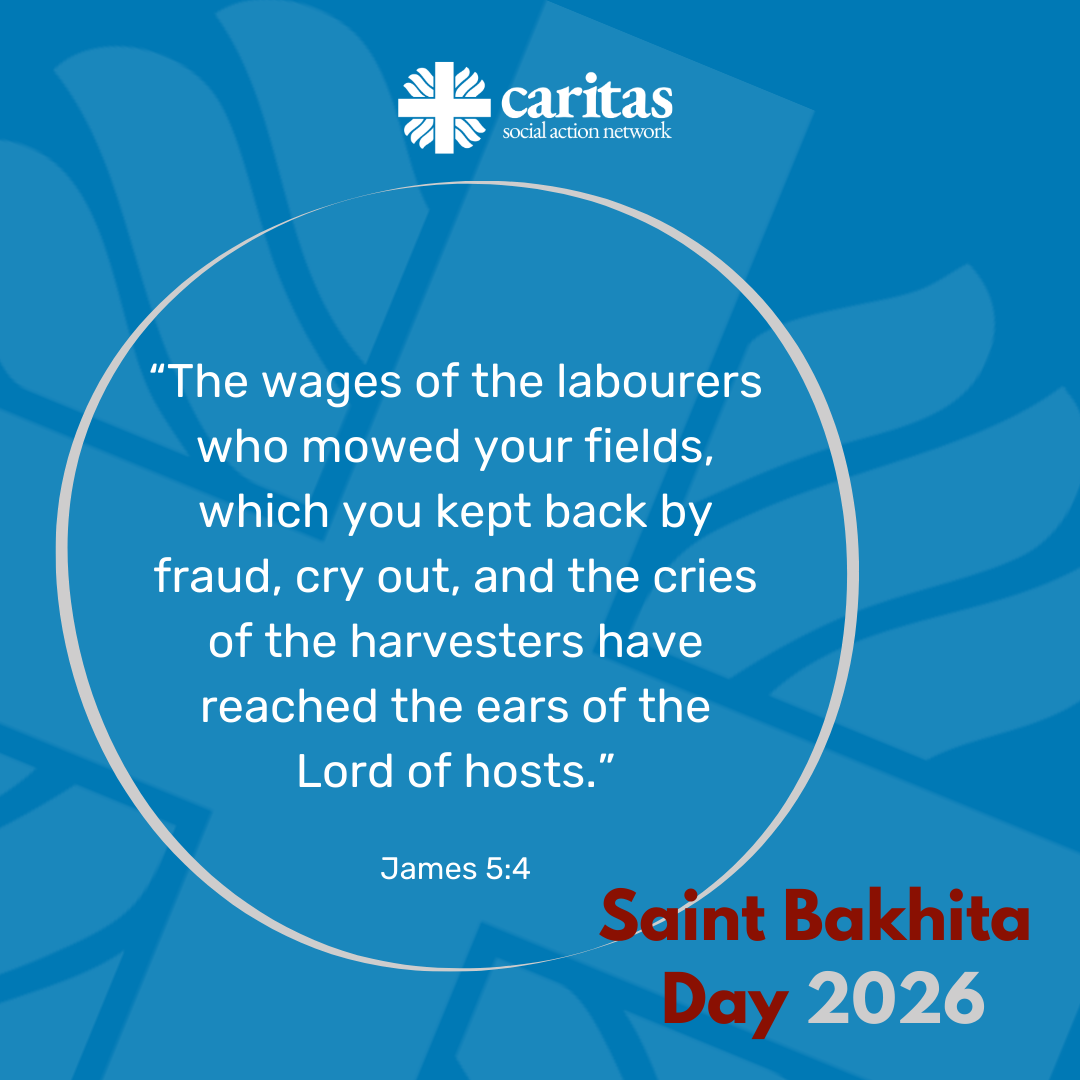
“Listen! The wages of the labourers who mowed your fields, which you kept back by fraud, cry out, and the cries of the harvesters have reached the ears of the Lord of hosts.” James 5:4
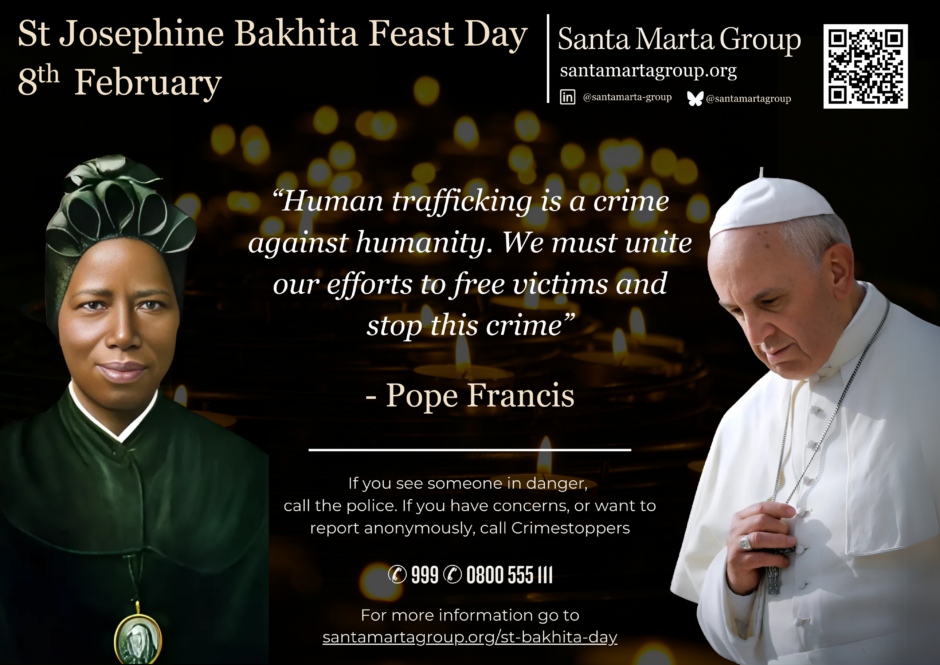
Sunday 8 February is the feast day of Saint Josephine Bakhita, and the international day of prayer and awareness against human trafficking.
Saint Josephine Bakhita, patron saint of slavery, survived years of being trafficked into enslavement and forced domestic labour, first in her native Sudan, and then in Italy, where she encountered the Canossians and successfully fought in court for her freedom in 1889.
Today there are many diverse forms of extreme exploitation across the globe – often grouped together under the umbrella term of modern slavery and human trafficking. This includes forced labour, sexual exploitation, child criminal exploitation and organ harvesting.
While the buying and selling of people as property in the British Empire was outlawed almost 200 years ago, the underlying economic practice and logic of labour exploitation for profit remained and continues generate new forms of extreme labour exploitation. Today, labour exploitation is the most common form of adult modern slavery in the UK.
We encourage you to use this day as an opportunity to deepen your understanding of the conditions that make extreme exploitation – including modern slavery and trafficking – endemic in our society, and reflect on how the church might respond to the call to “break every yoke” of oppression (Isaiah 58 v 6) in 2026.
Three actions you can take
Join the international day of prayer
Encourage your church to join in the prayers of people across the world who are holding up the suffering of those trapped in extreme exploitation to Christ, and calling for the courage to act. You can find CSAN’s suggested bidding prayers below, and join in the international vigil of prayer.
Deepen your understanding of extreme exploitation
Decades of national and international legislation and awareness-raising has sought to tackle people trafficking and modern slavery and support survivors. Yet forms of extreme exploitation including labour exploitation, sexual exploitation and criminal exploitation continue to cause immeasurable harm, while in the UK survivors remain trapped in precarity far beyond the limited statutory support entitlements they are offered, if they are even granted such support.
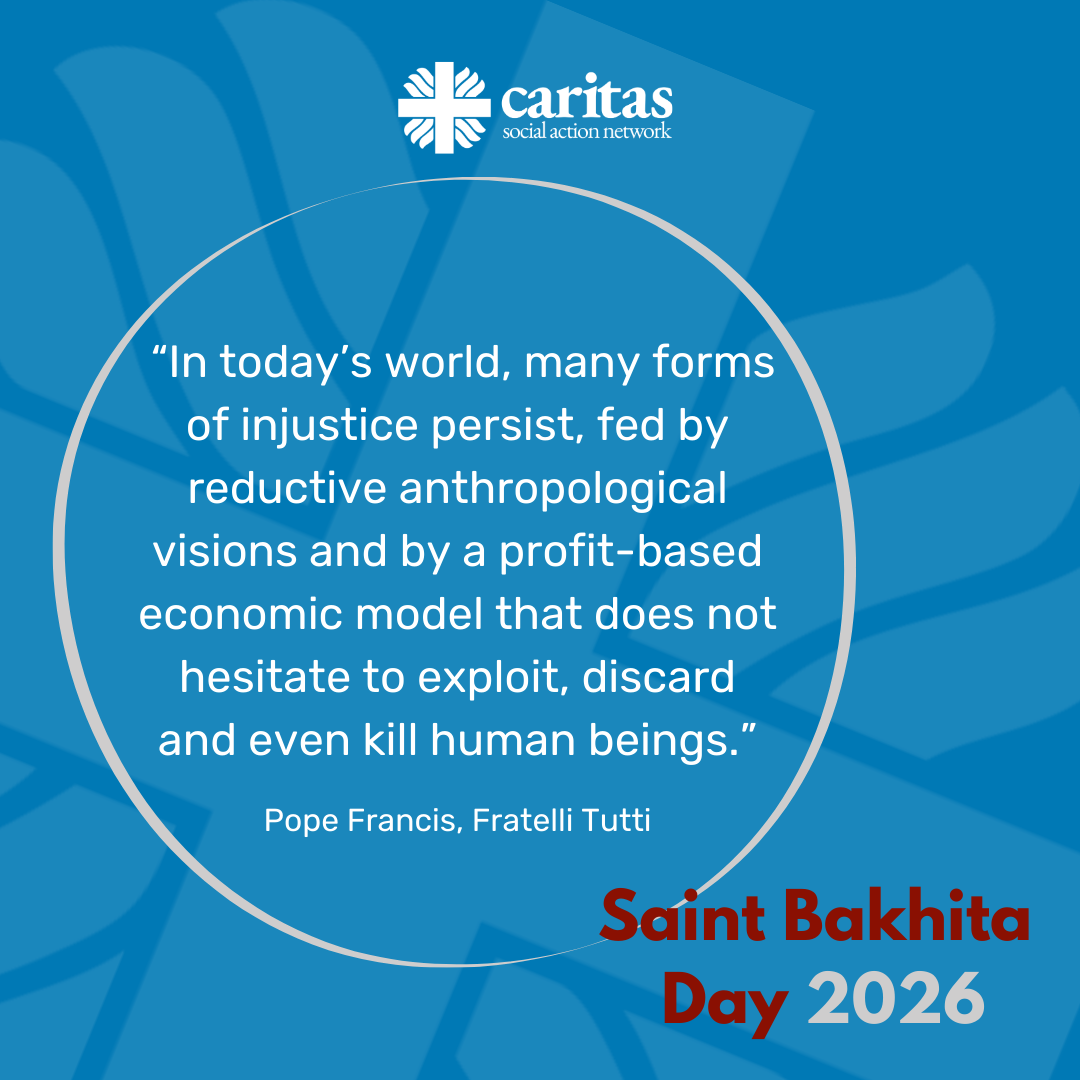
Catholic social teaching calls us both to tend to the immediate needs of those harmed by exploitation and oppression and to name and work to dismantle their structural causes. Pope Francis cautioned us against easy notions of freedom that do not recognise the economic and social systems that keep people trapped:
Words like freedom, democracy or fraternity prove meaningless, for the fact is that “only when our economic and social system no longer produces even a single victim, a single person cast aside, will we be able to celebrate the feast of universal fraternity” – Fratelli Tutti
In the UK today, new policies and legislation aimed at making life more precarious for migrants are a direct driver of labour exploitation including modern slavery. They also work to undermine safeguards and erode existing support for survivors. Government commitments to addressing modern slavery will be doomed to fail so long as they are coupled with policies that further erode the rights of migrants, including people seeking sanctuary.
Watch this video by FLEX on the drivers of migrant labour exploitation including modern slavery in the UK, and the urgent changes needed to address it.
Read this statement by FLEX explaining how the government’s new asylum proposals will force people seeking asylum to choose between destitution or labour exploitation.
Make your church a safer place for survivors
Churches can strengthen the support and welcome they offer to people who are facing extreme exploitation or are survivors of modern slavery. Take a look at this resource by Santa Marta Group on how your church might act supportively and sensitively, and avoid putting people at further risk of exploitation
Further CSAN resources for parishes and Catholic organisations
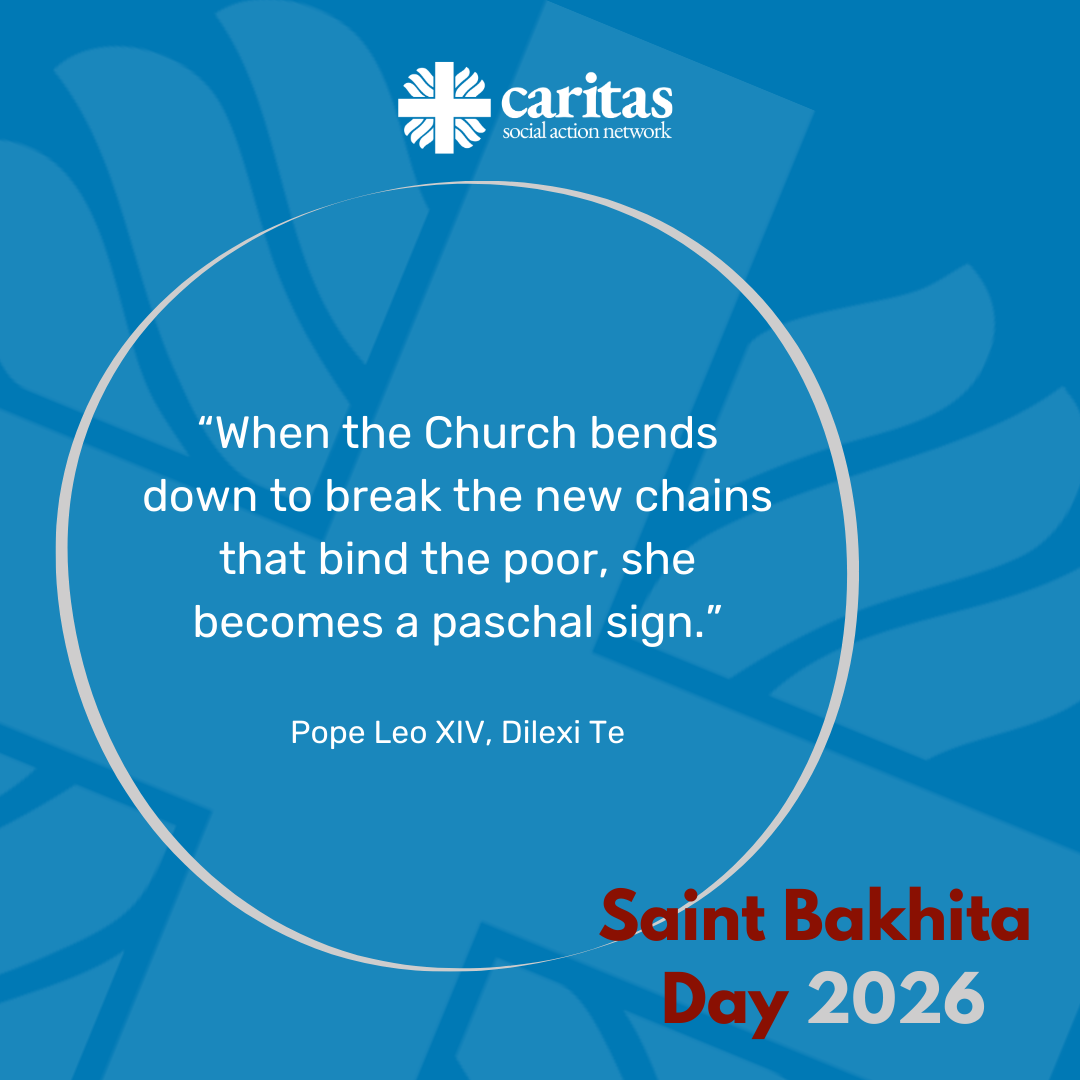
We have created a set of social media posts including papal quotes and bible verses for people to use however they like, with a focus on extreme labour exploitation and the challenge of catholic social teaching to address the structural causes of oppression.